

The landscape of motorsports is undergoing a dramatic transformation with the rise of electric vehicles (EVs), particularly highlighted by the emergence of Formula E. This innovative racing series, which features all-electric single-seater cars, has captivated audiences and challenged traditional notions of speed and performance in racing. Unlike conventional motorsports, which predominantly rely on internal combustion engines, Formula E is at the forefront of promoting sustainable practices and advanced technology through the integration of electric powertrains.
As environmental concerns grow, the demand for greener alternatives in transportation has never been higher. Formula E not only showcases cutting-edge EV technology but also serves as a testing ground for innovations that can ultimately be applied to consumer electric vehicles. The championship has positioned itself as a leader in the transition towards sustainable racing, amplifying the message that high-performance racing can coexist with environmental responsibility.
Moreover, the electrification of motorsports has sparked interest among manufacturers, sponsors, and fans alike. Major automotive brands are investing heavily in Formula E, leading to a competitive yet cooperative atmosphere that fosters the development of the next generation of EVs. As racing evolves, staying at the helm of this shift is crucial for both enthusiasts and the automotive industry, making understanding the rise of electric motorsports in Formula E not just relevant but essential for anyone interested in the future of racing.
The Technology Behind Formula E: How Electric Motors Are Changing Racing
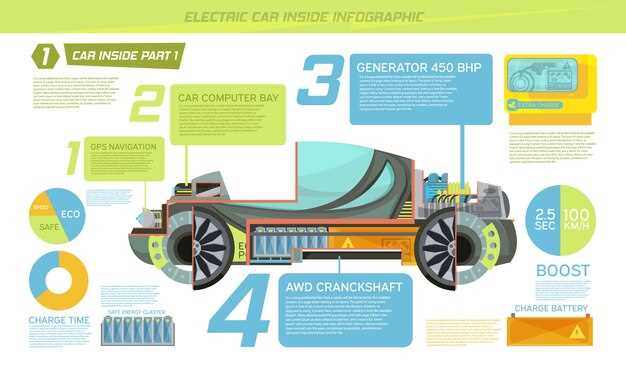
Formula E represents a significant shift in the world of motorsports, emphasizing the growing importance of electric vehicle (EV) technology. The series operates purely on electric power, utilizing advanced electric motors that embody innovation and sustainability in racing.
At the heart of Formula E are the electric motors, which are designed to deliver high performance while maximizing efficiency. These motors convert electrical energy from the batteries into mechanical energy, allowing for instantaneous torque delivery. This capability enables drivers to achieve rapid acceleration and maintain competitive speeds on various circuits across the globe.
Battery technology plays a crucial role in this ecosystem. Formula E cars are equipped with high-capacity lithium-ion batteries, which are engineered to provide a balance between weight, energy capacity, and recharge rates. The evolution of battery technology is pivotal, ensuring that vehicles can sustain long races while offering quick charging solutions during pit stops.
Moreover, the implementation of regenerative braking in Formula E further enhances the overall energy management strategy. This technology allows cars to recover energy during braking, converting kinetic energy back into electrical energy, which is stored in the battery. Such systems not only improve race performance but also highlight the efficiency of electric motors in maximizing energy usage.
As the future of transportation leans towards electrification, Formula E serves as a testing ground for the latest EV technologies. It showcases innovations that can translate to commercial electric vehicles, contributing to the wider acceptance of EVs in everyday life. With advancements in electric motors and battery systems, the lessons learned in Formula E are likely to shape the future of automotive engineering beyond the racetrack.
In summary, the technology behind Formula E underscores a remarkable transition in motorsports, driven by electric motors and sustainable practices. This evolution not only enhances racing experiences but also paves the way for a cleaner, more efficient future in the automotive industry.
The Impact of Formula E on the Mainstream EV Market: What Can We Expect?

Formula E has emerged as a pivotal platform for showcasing electric vehicle (EV) technology and its potential within the racing industry. As a fully electric racing series, Formula E not only captivates motorsport enthusiasts but also serves as a catalyst for innovation in the wider EV market.
The direct relationship between racing and consumer perception of electric vehicles cannot be underestimated. High-performance racing offers a glimpse into the capabilities of electric powertrains, demonstrating that EVs can compete at top levels of speed and efficiency. This competitive environment encourages manufacturers to invest in better battery technology, improved aerodynamics, and advanced power management systems, all of which translate to advances in consumer EVs.
Moreover, the visibility of Formula E has significantly contributed to the normalization of electric vehicles. By associating them with high-stakes competition, Formula E helps reshape public opinion, challenging the perception of EVs as mere alternatives to traditional combustion engines. This shift in mindset is crucial, especially as more consumers seek sustainable options that do not compromise on performance or excitement.
As we look to the future, the influence of Formula E is likely to grow. Increased manufacturer participation will bring about further advancements in technology, creating a feedback loop where innovations on the track inspire developments in consumer vehicles. As charging infrastructure improves and prices drop, the market for electric vehicles will continue to expand, propelled by the enthusiasm generated by racing.
In conclusion, the future of the mainstream EV market is intrinsically linked to the ongoing evolution of Formula E. As electric motorsports continue to gain traction, we can expect them to play a significant role in promoting and enhancing electric vehicles, ultimately leading to wider adoption and acceptance among the general populace.
The Challenges and Opportunities for Teams and Manufacturers in Electric Racing
The transition to electric motorsports, particularly in Formula E, presents a unique set of challenges and opportunities for teams and manufacturers in the racing industry.
Challenges
- Technological Limitations: Developing efficient electric vehicles (EVs) that can compete at high speeds is complicated. Battery technology must continually improve to provide the necessary power without adding excessive weight.
- Charging Infrastructure: Unlike traditional fuel, EVs require sophisticated charging solutions, which can be a logistical challenge during race events.
- Cost Considerations: Initial investments in electric racing technology can be high. Teams must balance performance with affordability to sustain long-term participation.
- Regulatory Challenges: As governing bodies establish regulations, teams must adapt quickly to changing rules regarding vehicle specifications, safety standards, and racing formats.
- Data Management: The need for detailed data analytics is greater in electric racing. Teams must harness this data to optimize performance while ensuring related costs do not spiral out of control.
Opportunities
- Brand Visibility: Participating in Formula E allows manufacturers to showcase their commitment to sustainability and innovation, boosting their brand image in the growing EV market.
- R&D Advancements: Engaging in electric racing provides valuable insights that can translate into advancements in commercial EVs, enhancing overall performance and market competitiveness.
- Fan Engagement: The unique race formats and urban locations appeal to new audiences, allowing teams and manufacturers to tap into diverse fan bases interested in electric technology.
- Collaboration Opportunities: Teams often collaborate with technology companies to enhance their EV systems, fostering innovation that can lead to breakthroughs beneficial to the wider automotive industry.
- Sustainability Goals: Competing in electric racing aligns with global sustainability initiatives, positioning teams and manufacturers as leaders in the transition toward cleaner transportation solutions.
In summary, while the world of electric racing poses significant challenges for teams and manufacturers, the potential rewards offer compelling reasons to invest in this electrifying future of motorsports.