

In the highly competitive realm of professional racing, pit strategies play a crucial role in determining not only the outcome of individual races but also the overall championship standings. The decisions made during pit stops can significantly alter the trajectory of a race, highlighting the importance of tactical planning and execution. Teams must analyze a multitude of factors, including track conditions, tire performance, and competitor behavior, to formulate optimal pit tactics that will provide them with the desired edge on the circuit.
The impact of pit stops extends beyond mere tire changes and refueling; they are a complex interplay of timing and precision. Teams must carefully decide when to call their drivers in, weighing the potential risks and rewards. A well-timed pit stop can allow a driver to gain valuable positions or even take the lead, while a poorly executed stop can lead to disastrous consequences, effectively sealing a team’s fate in the race.
As technology evolves and the sport becomes more data-driven, the sophistication of pit tactics continues to rise. Teams are now capable of real-time analysis, allowing them to adapt their strategies mid-race based on evolving conditions and rival tactics. Understanding the intricate dynamics of pit strategies is essential for grasping the full scope of professional racing, as it is not merely about speed on the track, but also about strategic foresight and execution within the pit lane.
Analyzing Pit Stop Timing for Optimal Performance Gains
Effective pit stop timing is crucial in professional racing as it can significantly influence overall race performance. Teams must carefully analyze various factors to determine the optimal moment for a pit stop, considering tire wear, fuel consumption, and track conditions. By strategically timing these stops, teams can maximize their competitive advantage.
One pivotal element in determining pit stop timing is the pace of the race. Monitoring competitors’ lap times allows teams to identify patterns and anticipate the ideal moment to enter the pits. A well-timed stop during a safety car period or when competitors are on a slower strategy can minimize lost time and improve track position upon re-entering the race.
Additionally, weather conditions play a critical role in pit stop decisions. Rain can lead to rapidly changing track conditions, requiring drivers to switch to intermediate or wet tires. Teams must be agile in adapting their pit strategy based on weather forecasts, ensuring that they capitalize on opportunities while others hesitate.
Tire degradation is another vital aspect that influences pit stop timing. By analyzing tire performance over multiple laps, teams can estimate the optimal window for changing tires. This analysis must consider the type of circuit, driving style, and tire compound, ensuring that drivers have the best grip for maximum speed during critical laps.
The overall strategy during a race, including fuel load management and tire choices, also impacts the decision-making process. Teams must balance the need for speed with the necessity of conserving fuel and tires for the latter stages of the race. An effectively timed pit stop can allow drivers to push harder earlier on while possessing the remaining resources for a strong finish.
Finally, communication between the driver and pit crew is essential. Constant updates regarding the car’s performance and racing dynamics enable quick adjustments to pit strategies. This real-time information allows teams to be proactive rather than reactive, ensuring that their decisions are informed and timely.
In conclusion, analyzing pit stop timing requires a multifaceted approach that incorporates race conditions, competitor behavior, tire management, and efficient communication. Teams that excel in these areas will be able to leverage pit stops to achieve optimal performance gains. Proper execution of a well-timed pit strategy can often be the difference between victory and defeat in professional racing.
Tactical Decisions on Tire Selection During Races
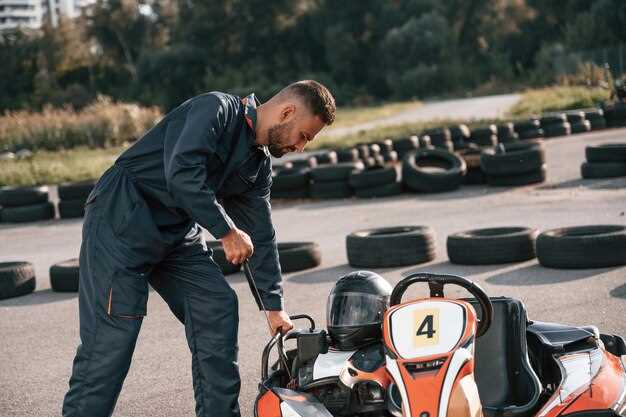
Tire selection during professional racing is a critical tactical decision that can greatly influence a team’s performance on the track. The ability to choose the right tires at the right moment can make the difference between victory and defeat. Teams must carefully assess track conditions, weather, and tire degradation levels to formulate an effective pit strategy.
Teams utilize a variety of tactics when determining the optimal time for a tire stop. For instance, choosing between soft and hard compound tires involves analyzing the expected lifespan of the tire versus the pace required to stay competitive. Softer tires typically offer greater grip but have a shorter lifespan, making them a risky choice for longer stints. Conversely, harder tires may last longer but provide less grip, potentially slowing the car’s performance.
Weather conditions also play a pivotal role in tire selection. Rain can necessitate an immediate switch to wet-weather tires, while a sudden drop in temperature may require teams to adapt quickly to avoid excessive tire wear. These decisions are compounded by competitors’ strategies; teams must be mindful of the choices made by rival drivers, as a well-timed stop can create significant advantages.
Data analysis and real-time telemetry provide teams with crucial insights into when to execute a stop. Monitoring tire performance and degradation rates during the race allows teams to make informed decisions, adjusting their tactics as conditions change. A poorly timed tire selection can lead to extended pit stops and lost positions, emphasizing the importance of strategic foresight.
In conclusion, the tactical decisions surrounding tire selection during races are fundamental to a team’s overall strategy. Effective management of tire performance and timely pit stops can maximize a driver’s potential, showcasing the intricate dynamics of professional racing. The ability to adapt and respond rapidly to changing conditions defines successful teams in the highly competitive environment of racing.
The Role of Team Communication in Pit Stop Efficiency
Effective communication is a critical factor in maximizing the efficiency of pit stops during professional racing. The pit crew must work in unison, and any miscommunication can lead to delays that significantly impact a team’s overall performance. Clear and concise communication protocols are essential to ensure that each member of the crew understands their responsibilities and timing during the stop.
During a pit stop, real-time communication allows the driver, crew chief, and pit crew to synchronize their actions. The driver relays information about vehicle performance, tire condition, and fuel needs, while the crew chief formulates a strategy based on this input. This dialogue is crucial to preventing mistakes, such as incorrect tire changes or slow refueling, which can occur if team members are not on the same page.
Moreover, advancements in technology have enhanced communication systems used in the pits. Radio technology enables instant feedback between the driver and the pit crew, helping them to make quick decisions. For instance, if a driver experiences a problem during the race, timely communication can result in a rapid assessment and adjustment of the pit stop plan.
The organization of the pit stop itself relies heavily on well-defined roles. Each crew member must know their task and timing to avoid chaos. Pre-race meetings help establish thorough communication strategies, allowing teams to practice and refine their pit stop procedures. This preparation translates into a reliable and efficient pit crew, minimizing the time spent in the pit.
Ultimately, strong team communication fosters trust among crew members, which is vital for maintaining composure under pressure. The more seamless the communication, the better the coordination during the high-stakes environment of a pit stop. In conclusion, effective communication is not just a component; it is the backbone of pit stop efficiency in professional racing dynamics.